Window Screen Repair Austin: Restoring Your Home's Breeze Without the Bugs
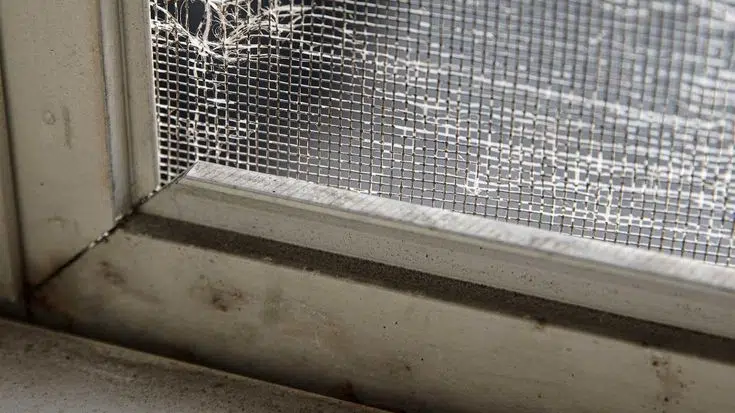 A sun brittled screen like this one is an open invitation for mosquitoes, wasps, and dust to enter an Austin home.
There is a particular kind of evening that Austin does better than almost anywhere else. The heat of the day finally breaks, a breeze rolls in off Lady Bird Lake or drifts down from the Hill Country, and the entire city seems to exhale at once. Longtime residents know the instinct that follows: throw open every window in the house and let that cooler air move through the living room, the kitchen, the bedrooms, all of it, without a second thought.
That instinct only works, though, if the screens standing between you and the outside world are actually doing their job. A torn screen, a sagging corner, or a frame that has warped just enough to leave a gap turns that same open window into an entry point for exactly the guests nobody wants: mosquitoes drifting up from anywhere with standing water, wasps looking for a sheltered nook, and the loud, persistent cicadas that define a Central Texas summer evening. What should feel like fresh air starts to feel like a compromise, and most homeowners end up closing the window and switching the air conditioner back on instead, which defeats the entire point.
This is the exact problem Windows And Doors Repair LLC solves every week across Austin and the surrounding suburbs. Whether the fix is a simple rescreen on a single kitchen window or a full custom frame replacement for a whole house, professional window screen repair Austin homeowners can count on means getting that breeze back without the bugs, the dust, or the worry. This guide walks through exactly why Austin's climate is so hard on screens, how to tell a simple repair from a real replacement, which mesh actually holds up here, and what the process and cost genuinely look like when it is done right.
The Austin Climate Challenge: Why Screens Fail Here
Window screens are not built to last forever anywhere, but Central Texas puts them through a particularly demanding cycle of stress that shortens their working life faster than most homeowners expect.
The biggest factor is simply sun. Austin sees an enormous number of clear, high UV days across the year, and standard fiberglass mesh, the most common material used in factory installed screens, is genuinely vulnerable to sustained ultraviolet exposure. Over time, the polymer strands that make up the mesh lose their flexibility. The screen becomes brittle, starts to fade to a chalky, faded grey, and eventually begins crumbling at the slightest touch, sometimes tearing on its own from nothing more than a strong gust or a curious pet brushing against it. West facing windows, which take the harshest afternoon sun across most Austin neighborhoods, tend to show this kind of UV degradation noticeably faster than shaded, north facing ones.
The second factor is one that surprises a lot of homeowners: the ground itself. Central Texas sits on expansive clay soil that swells when saturated by rain and shrinks again during dry stretches, and that constant movement causes gradual, uneven settling in a home's foundation over time. Even a small shift is enough to twist a window frame slightly out of square, and once that happens, the screen channel that used to hold the frame snugly in place no longer lines up correctly. The screen can start popping out of its track, developing a persistent gap at one corner, or simply refusing to sit flush no matter how many times it gets pushed back into place.
Finally, there is Austin's spring, which brings a genuine surge in both humidity and insect activity. Warmer, wetter conditions create ideal breeding grounds for mosquitoes across the region, and that same season tends to bring out wasps building early nests around eaves and window frames. A screen with even a small tear becomes a direct, reliable entry point right at the exact time of year when keeping insects outside matters most.
 Central Texas clay soil movement can twist a window frame just enough to pop the screen loose at one corner.
Screen Repair vs. Full Frame Replacement
One of the first questions we answer on nearly every visit is whether a screen actually needs a full frame replacement or whether it can simply be rescreened. The distinction matters, both for the cost and for how long the fix will actually last.
Rescreening means keeping the existing aluminum or vinyl frame exactly as it is and replacing only the mesh and the spline, the thin rubber cord that holds the mesh snugly inside the frame's channel. This is by far the more common repair, and it works well whenever the frame itself is still square, structurally sound, and free of corrosion or warping. It is a fast, cost effective way to restore a screen to full function using a frame that still has plenty of useful life left in it.
Full frame replacement becomes the right call once the frame itself is the actual source of the problem, not just the mesh inside it. This includes frames that have visibly warped at the corners, tracks that have corroded to the point where the frame no longer slides or seats correctly, or situations where the screen is missing entirely and a replacement frame needs to be custom built to match the window's exact dimensions.
| Frame Condition | Recommended Action | Average Lifespan After Repair |
|---|---|---|
| Square frame, torn or degraded mesh only | Standard rescreening (new mesh and spline) | 7 to 10 years with quality mesh |
| Minor corner gap or slight warp | Rescreening with corrected spline tension and track adjustment | 5 to 8 years, depending on ongoing soil movement |
| Corroded track or visibly bent aluminum frame | Full frame replacement, custom fitted | 10 to 15 years with a properly matched frame |
| Missing screen, no existing frame | Custom frame fabrication and fitting | 10 to 15 years |
If you are unsure which category your window falls into, that is exactly the kind of question worth having answered in person rather than guessed at. A quick on site inspection almost always settles it within minutes, and it prevents homeowners from either overpaying for a full frame replacement they did not need or underpaying for a rescreen that will not actually hold given a frame that has already shifted.
The Ultimate Guide to Screen Mesh Materials
Once the frame question is settled, the next decision is mesh material, and this is where a lot of homeowners are surprised to learn just how much difference the right choice makes, especially in a climate as demanding as Austin's.
Standard Fiberglass remains the most budget friendly option on the market, and it offers genuinely good visibility with a soft, flexible weave that will not dent or crease permanently the way older aluminum screening could. Its main weakness, as covered above, is UV sensitivity. It is a solid, economical choice for shaded windows, covered porches, or interior facing screens that do not take much direct sun, but it is generally not the best long term choice for a west facing window baking in full Texas afternoon sun.
Pet Resistant Screen, typically a vinyl coated polyester weave, is built specifically for households with active dogs and cats. The polyester core gives it dramatically higher tear and puncture resistance compared to standard fiberglass, meaning it can absorb a determined paw or a curious claw without shredding. It costs more than standard fiberglass, but for a household with pets that regularly push against screen doors or window screens, it is often the single best investment available, since it directly prevents the most common cause of repeat screen failure in pet owning homes.
Solar Screen Mesh is woven far more tightly than standard screening, and that tighter weave is specifically engineered to block a significant percentage of solar radiation before it ever reaches the glass. For a west facing window in Austin, this can make a genuinely noticeable difference in how much heat builds up in a room during peak summer afternoons, which translates directly into less strain on the air conditioning system and a measurable effect on summer utility bills. It is a particularly smart upgrade for windows in rooms that always seem to run warmer than the rest of the house.
Ultra Fine High Visibility Mesh uses a thinner, more tightly spun fiber than traditional screening, which produces a noticeably clearer, less obstructed view through the screen. For homes with a real view worth protecting, whether that is a Hill Country sunset from a West Lake Hills property or a quiet, tree lined backyard in Cedar Park, this mesh lets homeowners keep the screen in place year round without feeling like they are looking at the world through a haze.
| Material | UV Resistance | Pet Durability | Airflow | Best Use |
|---|---|---|---|---|
| Standard Fiberglass | Moderate | Low | Excellent | Shaded windows, budget conscious projects |
| Pet Resistant (Vinyl Coated Polyester) | Good | Very High | Good | Homes with active dogs or cats |
| Solar Screen Mesh | Excellent | Moderate | Reduced by design | West or south facing windows, heat reduction |
| Ultra Fine High Visibility Mesh | Good | Low to Moderate | Very Good | Windows with a view, patios, sunrooms |
Many Austin households end up mixing materials across a single home, solar screen mesh on the west facing side that takes the worst afternoon sun, pet resistant screen on the ground floor windows the dog spends all day watching the yard through, and standard fiberglass on the shaded, interior facing windows where cost matters more than heat performance. There is no single right answer for every window, which is exactly why an experienced technician walking the property and matching each opening to the right material tends to produce a far better long term result than a one size fits all approach.
Step by Step: How We Professionally Rescreen a Window
A rescreen looks simple from the outside, a fresh piece of mesh stretched across a frame, but getting a truly drum tight, long lasting result requires a precise, repeatable process. Here is what actually happens on site.
Step 1: Inspection and Precise Frame Measuring
Every job starts with a close inspection of the frame itself, checking for square corners, verifying the spline groove is intact and not cracked or worn, and confirming the track is free of corrosion. Exact measurements are taken for both the frame opening and the spline groove width, since spline size varies and using the wrong diameter is one of the most common reasons a retail DIY screen job loosens again within weeks.
Step 2: Removing Old Spline and Cleaning the Frame Channel
The old spline is carefully pried out of the groove, and the channel is thoroughly cleaned of accumulated dirt, old adhesive residue, and any degraded rubber left behind. Skipping this step is a common shortcut that leads directly to a new spline that will not seat evenly, producing the exact kind of loose, wavy screen that starts sagging again within a single season.
Step 3: Aligning the New Mesh and Using a Spline Roller to Pull It Tight
New mesh, cut generously oversized to allow for proper handling, is laid across the frame and aligned so the weave runs perfectly straight along both axes, since even a slightly skewed weave will show visible waviness once tensioned. A spline roller is then used to press new spline cord into the groove, working around the entire perimeter with steady, even pressure to pull the mesh drum tight without overstretching the fibers or distorting the weave pattern.
Step 4: Trimming Excess Mesh With Razor Precision and Checking Frame Tension
Once the spline is fully seated, excess mesh is trimmed cleanly along the outer edge of the frame using a sharp blade held at a precise angle, leaving a clean finished edge with no loose fibers. A final tension check follows, pressing firmly against the center of the mesh to confirm there is minimal give, which is the real world test of whether the screen will hold up against Austin wind and daily use rather than sagging within the first month.
Estimating Your Project: Screen Repair Costs in Austin
Homeowners understandably want a straightforward answer on cost, and the honest answer depends on a handful of clear factors: the number of screens involved, the mesh material chosen, and whether the job is a straightforward rescreen or a custom frame build.
One factor worth knowing upfront: batching multiple screens into a single service visit meaningfully reduces the overall cost per screen compared to scheduling separate visits for individual windows. Since the technician is already on site with tools and materials set up, tackling five screens in one visit is far more efficient than five separate trips, and that efficiency gets passed along in the pricing.
- Standard rescreening (existing frame, fiberglass mesh): the most economical option, typically priced per screen with meaningful savings when multiple windows are done together.
- Custom frame fabrication: priced higher due to the material and precise measuring required, especially for older homes with nonstandard window dimensions common throughout historic Austin neighborhoods.
- Pet resistant screens: a moderate upgrade over standard fiberglass, reflecting the higher cost of vinyl coated polyester material.
- Solar screen upgrades: the highest per screen cost among mesh options, though many homeowners see that investment offset over time through reduced summer cooling costs, particularly on west facing exposures.
The most reliable way to get an accurate number for your specific home is a direct conversation, since screen count, mesh choice, and frame condition all shift the total meaningfully from one house to the next. Our team is happy to walk through pricing honestly before any work begins, no surprises once the job is finished.
Frequently Asked Questions About Window Screen Repair
How long do window screens typically last in Austin?
Standard fiberglass mesh installed on a shaded or moderately sun exposed window typically holds up for around 7 to 10 years before UV degradation makes replacement worthwhile. Screens on west facing windows that take intense, direct afternoon sun often need attention sooner, sometimes within 5 to 7 years, simply because the UV exposure is so much more severe. Higher grade materials like solar screen mesh or pet resistant polyester tend to outlast standard fiberglass by several years under the same conditions, largely because they are engineered with UV resistance and durability as core design features rather than an afterthought.
Can I install solar screens on only the west facing windows?
Absolutely, and this is actually one of the most common and cost effective approaches we recommend. West and south facing windows take the overwhelming majority of a home's direct solar heat gain across an Austin summer, so targeting solar screen mesh specifically at those exposures delivers most of the cooling benefit without the cost of upgrading every window in the house. Many homeowners pair this targeted approach with standard fiberglass or ultra fine mesh on the remaining, less sun exposed windows.
Can you build screens for custom shaped windows?
Yes. Older homes throughout Austin, particularly in historic neighborhoods, along with many newer architecturally distinctive builds in areas like West Lake Hills, frequently include arched, angled, or otherwise nonstandard window shapes that retail screen kits simply cannot accommodate. Our team custom fabricates frames and mesh to match these exact dimensions on site, ensuring a precise, properly tensioned fit rather than an awkward, ill fitting workaround.
How do I properly clean and maintain my window screens?
A soft brush attachment on a vacuum, run gently over both sides of the mesh, removes the majority of accumulated dust and pollen without stressing the fibers. For a deeper clean, removing the screen and rinsing it with a garden hose, followed by a gentle wipe with a mild soap solution if needed, works well, just be sure the screen is fully dry before reinstalling it to avoid trapping moisture against the frame. Avoid pressure washers directly against the mesh, since the concentrated water pressure can stretch or tear even a healthy screen. A quick visual check each season, looking for small tears before they grow, catches most problems while they are still a simple, inexpensive fix rather than a full rescreen.
If your screens involve issues beyond the mesh itself, whether that is a sticking sash, a window that will not stay latched, or a frame that needs more comprehensive attention, our broader window repair services cover the full range of window problems Austin homes tend to develop over time. And for homeowners dealing with drafts or leaks around exterior doors rather than windows, our door weatherstripping services address that exact same category of seasonal wear and tear at the entryway.
Bringing the Breeze Back, the Right Way
A torn or warped screen is a small problem on the surface, but it touches something bigger: the ability to actually enjoy your home the way Austin was built for, windows open, air moving, evenings spent without a second thought about what might wander in through a gap in the mesh. As Austin's Trusted Choice for Window and Door Repairs, our team has spent years learning exactly how this climate wears screens down, from the intense UV exposure to the slow shift of expansive clay soil beneath so many local foundations, and building a process that accounts for all of it rather than offering a generic, one size fits all fix.
Whether you need a single rescreen on a kitchen window or a full custom frame replacement across a whole house in Round Rock, Cedar Park, West Lake Hills, or Pflugerville, professional window screen replacement Austin Texas homeowners trust is one phone call away.


Window Seal Fixes Near Me: An Austin Homeowner’s Guide to Foggy Glass, Drafts, and Failing Frames
Window Seal Fixes Near Me: An Austin Homeowner’s Guide to...


Window Screen Repair Austin: Restoring Your Home’s Breeze Without the Bugs
Window Screen Repair Austin: Restoring Your Home’s Breeze Without the...
Explore More Dallas Door & Window Resources
Home Window Sealing & Leak Repair | Austin Professional Services...
Broken Window Lock Repair Austin TX | Fast Lock & Hardware Fix
Broken Window Lock Repair in Austin, TX Broken Window Lock...
Damaged Window Frame Repair Austin TX | Fast Frame Restoration
Broken Window Glass Repair in Austin, TX Broken Window Glass...

Fast Stuck Window Repair Austin TX | Expert Track & Frame Fix
Stuck Window Repair in Austin, TX Stuck Window Repair Austin...